As autumn transitions into winter in Denver, tenants face unique challenges to ensure their homes remain cozy and safe during the colder months. From potential plumbing emergencies to maintaining warmth, this guide provides an essential checklist to prepare your rental property for the season ahead. With the possibility of sudden drops in temperature and snowy weather, being proactive can save you from stressful last-minute situations. Let’s explore how to make your winter tenant experience smooth and comfortable with the help of a reliable Denver plumber for emergency services.
Understanding Denver’s Winter Weather Challenges
Before diving into preparations, it’s crucial to grasp the specific challenges that come with Denver’s winters:
Extreme Temperature Fluctuations
Denver experiences a unique microclimate, with daytime temperatures dropping drastically at night. These sudden changes can put stress on your home’s systems, especially plumbing. Frozen pipes are a common issue, leading to potential leaks and water damage.
Snowfall and Ice Accumulation
The city averages around 50 inches of snow annually, often accompanied by icy roads and sidewalks. This winter wonderland can create accessibility issues and impact utility services, including plumbing. Clearing snow from drains and gutters is essential to prevent clogs and flooding.
Essential Checklist: Preparing for Denver’s Winter as a Tenant
1. Insulate and Seal Your Home
- Window and Door Insulation: Start by checking all windows and doors for gaps or cracks. Consider using weatherstripping, door sweeps, or draft blockers to seal these openings. Proper insulation will prevent cold air from entering and warm air from escaping, reducing heating costs.
- Attic Insulation Check: Ensure your attic is well-insulated to maintain a consistent indoor temperature. Enough insulation can also help prevent ice damming on your roof during snowy periods.
- Seal Air Leaks: Identify any areas where cold air enters and heat escapes, such as around pipes, vents, or electrical wires. Sealing these leaks will make your home more energy-efficient.
2. Winterize Your Plumbing System
Plumbing emergencies can happen at the worst times, especially during winters when repairs may be more complex due to weather conditions. Here’s how a Denver licensed emergency plumber can help:
- Insulate Pipes: Insulating pipes that are exposed or located in unheated areas is vital to prevent freezing. Use pipe insulation or heat tape to keep water flowing freely.
- Drain and Vent Systems: Clear all drains, including those under sinks and in bathrooms, of debris to prevent clogs. Ensure proper ventilation by checking vent pipes on roofs or walls; blockages can lead to pressure buildup and potential plumbing damage.
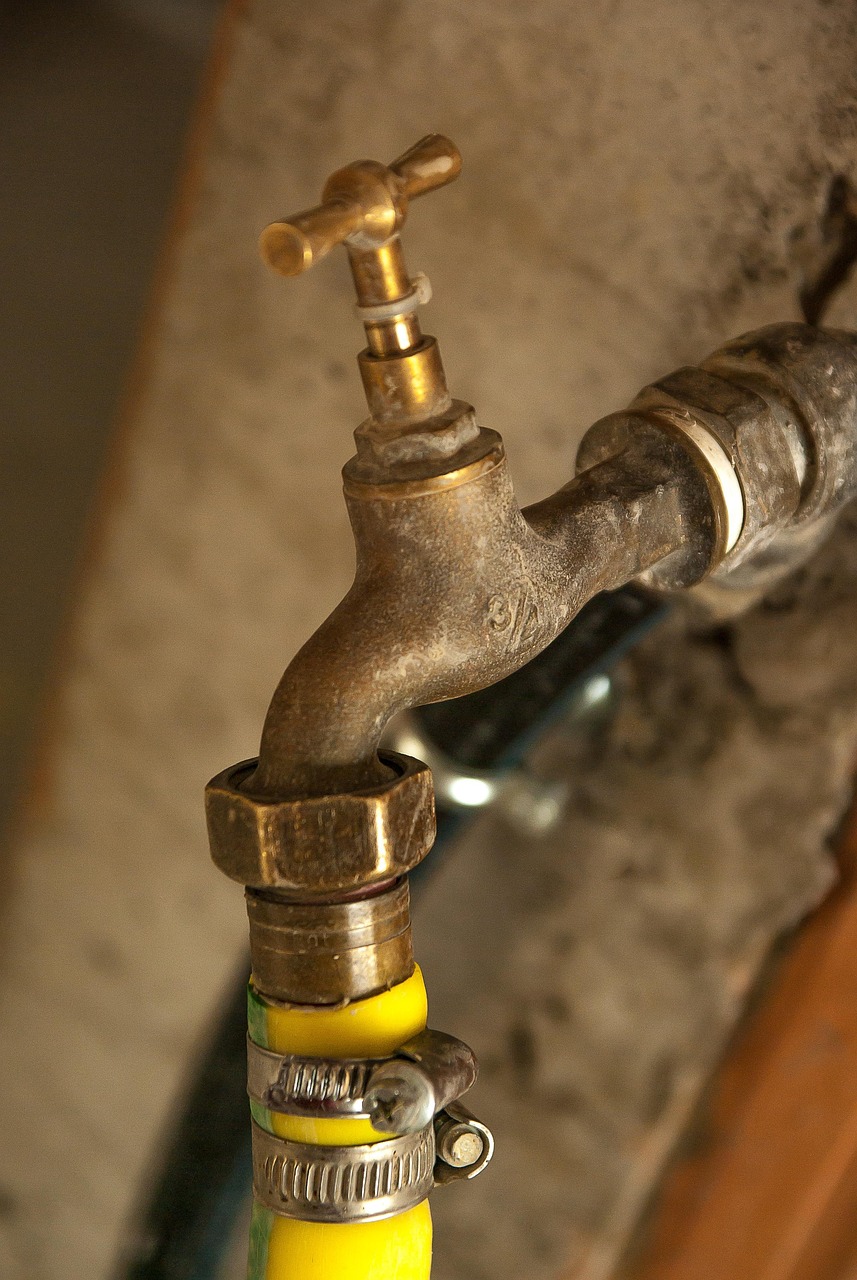
- Turn Off Water Supply: For fixtures not used frequently, consider shutting off the water supply to prevent freezing and potential burst pipes. This includes outdoor spigots and sinks not connected to a heat tape system.
3. Maintain Heating and Cooling Systems
Properly maintaining your HVAC (heating, ventilation, and air conditioning) system is crucial for year-round comfort:
- Heater Maintenance: Schedule professional maintenance for your furnace or heating system before winter begins. Clean or replace filters to ensure efficient heat distribution throughout your home.
- Air Conditioning Check: While it may seem counterintuitive, maintaining your AC unit can help prepare for cold weather. Ensure the unit is clean and in good working order, as it will remove moisture from the air during humid Denver summers, preventing excessive humidity in the winter.
4. Prepare for Power Outages
Winter storms can cause power disruptions, affecting plumbing and heating systems:
- Backup Generators: Consider installing a portable or whole-house backup generator to keep essential appliances and lighting operational during outages. Ensure proper ventilation when using generators indoors.
- Water Heater Safety: If your water heater is electric, a power outage could affect its functionality. Keep a gas-powered hot water heater as a backup option, following safety guidelines for installation and use.
5. Create an Emergency Repair Kit
Being prepared for plumbing emergencies can save you time and money:
- Essential Tools: Assemble a basic toolkit with tools like wrenches, pliers, a screwdriver, and duct tape. These will help you make temporary repairs until a professional arrives.
- Supply Kit: Stock up on essential supplies such as toilet paper, water, flashlights, batteries, non-perishable food items, and a first-aid kit.
- Plumber Contact Information: Keep a list of emergency plumber contacts, including top-rated local services in Denver, easily accessible for quick response times. Consider adding the number of a same-day plumbing repair Denver service for urgent issues.
6. Clear and Maintain Outdoor Areas
Snow and ice can create safety hazards around your home:
- Gutter Cleaning: Regularly clear gutters and downspouts of debris to prevent clogs, which can lead to roof and foundation damage during heavy snowfalls.
- Walkway and Driveway Maintenance: Keep sidewalks and driveways clear of snow and ice. Consider using salt or sand to improve traction and prevent injuries.
- Snow Removal Equipment: Invest in a good quality snow shovel and consider getting a snowblower for faster clearing, especially if you have a large driveway or walkway.
7. Prepare Your Water Heater
Winter is a critical time to ensure your water heater functions optimally:
- Flush Sediment: Regularly flush your water heater to remove accumulated sediment, which can reduce its efficiency and lifespan. This process involves shutting off the cold water supply, opening hot water taps, and draining the tank until the water runs clear.
- Set Thermostat: Adjust the thermostat to a temperature suitable for winter, typically around 120°F (49°C), to prevent excessive energy usage while still providing enough heat for showering.
8. Explore Affordable Denver Plumber Emergency Services
With various plumbing companies in Denver, it’s essential to choose one that offers:
- Same-Day Service: Look for a service that guarantees quick response times, as urgent issues can worsen during winters.
- Affordable Pricing: Compare quotes from different plumbers to find a balance between quality and cost. Many reputable services offer transparent pricing without hidden fees.
- Licensed and Insured: Ensure the plumber is licensed and insured to protect yourself from potential liability and ensure professional work.
- Top-Rated Local Plumbers: Referrals and online reviews can help you identify trusted, high-quality plumbers in your area. Websites like Angie’s List or HomeAdvisor are excellent resources for finding top-rated local emergency plumbers in Denver.
FAQ: Addressing Common Concerns
Q1: How do I know if my pipes are frozen?
A: Frozen pipes may show signs such as a lack of water pressure, unusual noise from pipes, or visible ice on them. If you suspect frozen pipes, turn off the main water supply to prevent further damage and contact an emergency plumber immediately.
Q2: What should I do during a power outage?
A: During a power outage, conserve water usage as low-water pressure could indicate pipe issues. Use flashlights and non-perishable food items. If your water heater is electric, consider using a gas-powered hot water heater temporarily for backup heat and hot water.
Q3: How can I prevent my sewer line from freezing?
A: Preventing frozen sewer lines involves proper insulation. Use pipe insulation or heat tape to keep the pipes warm. Additionally, regular maintenance and clearing of debris from drains will reduce the risk of clogs and pressure buildup.
Conclusion: Embracing a Comfortable Denver Winter
By following this ultimate checklist and preparing for potential plumbing emergencies, tenants can ensure their Denver homes are winter-ready. Being proactive about insulation, plumbing maintenance, and emergency repairs will contribute to a comfortable and safe living environment throughout the season. Remember, having a reliable Denver plumber for emergency services readily available is invaluable during unpredictable winters. With proper preparation, you’ll be equipped to handle any challenges that come your way, ensuring peace of mind as the temperature drops.